
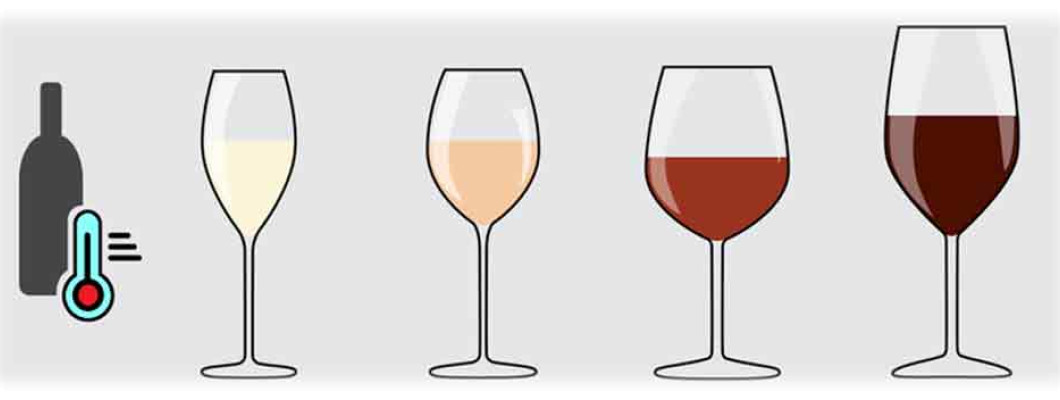
Το κρασί είναι απόλαυση, εμπειρία και πολιτισμός. Παρ’ όλα αυτά, γύρω από το αγαπημένο μας ποτήρι κυκλοφορούν δεκάδες «κανόνες» που επαναλαμβάνονται εδώ και χρόνια — χωρίς όμως να είναι πάντα αληθινοί.
Ήρθε η στιγμή
να ξεκαθαρίσουμε μερικούς από τους πιο διαδεδομένους μύθους, ώστε να
απολαμβάνουμε το κρασί πιο χαλαρά, πιο σωστά και – κυρίως – χωρίς άγχος.
Μύθος #1: Το
ακριβό κρασί είναι πάντα καλύτερο
Η τιμή δεν
καθορίζει απαραίτητα την ποιότητα. Ένα κρασί μπορεί να κοστίζει περισσότερο
λόγω φήμης οινοποιείου, περιορισμένης παραγωγής ή παλαίωσης — όχι επειδή θα σου
αρέσει περισσότερο.
Στην
πραγματικότητα, υπάρχουν εξαιρετικές ετικέτες σε πολύ προσιτές τιμές που
προσφέρουν απίστευτη σχέση ποιότητας-τιμής. Το καλύτερο κρασί είναι πάντα αυτό
που ταιριάζει στο προσωπικό σου γούστο.
Μύθος #2:
Κόκκινο με κρέας, λευκό με ψάρι
Αυτός είναι
ίσως ο πιο γνωστός «κανόνας», αλλά δεν είναι απόλυτος.
Η σωστή επιλογή
εξαρτάται περισσότερο από:
- την ένταση του πιάτου,
- τις σάλτσες,
- τα
μπαχαρικά και τη λιπαρότητα.
Ένα ελαφρύ
κόκκινο μπορεί να συνοδεύσει τέλεια λιπαρά ψάρια, ενώ ένα πλούσιο λευκό
ταιριάζει ιδανικά με κοτόπουλο ή ζυμαρικά με κρεμώδεις σάλτσες.
Μύθος #3: Το
κόκκινο κρασί πίνεται σε θερμοκρασία δωματίου
Ο κανόνας αυτός
δημιουργήθηκε όταν τα σπίτια ήταν πολύ πιο δροσερά από σήμερα. Στις σύγχρονες
θερμοκρασίες, το κρασί συχνά σερβίρεται πιο ζεστό απ’ όσο πρέπει.
Ιδανικές θερμοκρασίες:
- Κόκκινα κρασιά: 14–18°C
- Λευκά και ροζέ: 8–12°C
Μερικά λεπτά
στο ψυγείο μπορούν να αναδείξουν αρώματα και ισορροπία που αλλιώς χάνονται.
Μύθος #4: Όσο
παλιώνει ένα κρασί, τόσο καλύτερο γίνεται
Η αλήθεια είναι
ότι η πλειονότητα των κρασιών είναι φτιαγμένη για να καταναλώνεται νέα, μέσα σε
λίγα χρόνια από την εμφιάλωση.
Μόνο
συγκεκριμένα κρασιά με έντονη δομή, οξύτητα και τανίνες έχουν πραγματική
δυνατότητα παλαίωσης. Για τα περισσότερα, η αναμονή δεν βελτιώνει — απλώς
μειώνει τη φρεσκάδα.
Μύθος #5:
Πρέπει πάντα να αφήνουμε το κρασί να «αναπνεύσει»
Η οξυγόνωση
βοηθά ορισμένα νεαρά και τανικά κόκκινα κρασιά, αλλά δεν είναι απαραίτητη σε
κάθε περίπτωση.
Μάλιστα:
- παλαιωμένα
κρασιά μπορεί να χάσουν γρήγορα τα αρώματά τους,
- πολλά
λευκά δεν χρειάζονται καθόλου αερισμό.
Η καράφα είναι
εργαλείο — όχι υποχρεωτική διαδικασία.
Μύθος #6: Ο
φελλός σημαίνει ανώτερη ποιότητα
Τα βιδωτά καπάκια
έχουν εξελιχθεί σημαντικά και χρησιμοποιούνται πλέον ακόμη και σε premium κρασιά. Προσφέρουν σταθερότητα και μειώνουν τον κίνδυνο
αλλοίωσης από φελλό.
Ο τύπος
κλεισίματος δεν καθορίζει την ποιότητα — το κρασί μέσα στο μπουκάλι είναι αυτό
που μετράει.
Μύθος #7:
Πρέπει να αναγνωρίζεις δεκάδες αρώματα για να καταλάβεις το κρασί
Δεν χρειάζεται
να είσαι sommelier για να απολαύσεις ένα κρασί. Η
γευσιγνωσία δεν είναι εξέταση.
Η πιο σημαντική ερώτηση είναι απλή:
«Μου αρέσει;»
Αν η απάντηση
είναι ναι, τότε έχεις ήδη καταλάβει το πιο σημαντικό πράγμα για το κρασί.
Η ουσία του
κρασιού
Το κρασί δεν
έχει αυστηρούς κανόνες — έχει εμπειρίες. Είναι τρόπος να μοιραζόμαστε στιγμές,
γεύσεις και ιστορίες γύρω από ένα τραπέζι.
Όσο περισσότερο
αφήνουμε πίσω τους μύθους, τόσο περισσότερο ανακαλύπτουμε τη χαρά της
εξερεύνησης: νέες ποικιλίες, διαφορετικά στυλ και ετικέτες που μπορούν να μας
εκπλήξουν ευχάριστα κάθε φορά που γεμίζουμε το ποτήρι.
Γιατί τελικά,
το σωστό κρασί δεν είναι αυτό που «πρέπει» να πιεις — αλλά αυτό που θέλεις να
ξαναπιείς.
